Art terms
Learn about the materials, techniques, movements, and themes of modern and contemporary art from around the world.
All
A
B
C
D
E
F
G
H
I
J
K
L
M
N
O
P
Q
R
S
T
U
V
W
X
Y
Z
Showing 10 of 351 art terms
-
L
-
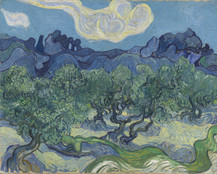
Landscape
The natural landforms of a region; also, an image that has natural scenery as its primary focus.Although landscape painting dates to antiquity, the genre remained popular among early modern artists. Driven in part by their dissatisfaction with modern urban life, many artists sought out places resembling untouched earthly paradises where they could focus on their work and observe nature closely. They generated radical artistic experiments, which might seem more likely to have been sparked by the visual and cultural stimulation of the city. But surrounded by nature and in rural communities, they began breaking the traditions of landscape painting, using, for example, non-naturalistic colors or applying paint in ways that emphasized their brushwork. Two innovations made it easier than ever for artists to paint outside, directly from nature. Improved transportation—both by railroad and automobile—allowed people to travel farther faster. And with the introduction of paint in tubes, which stayed wet and was easily transportable, artists were freed from having to mix and store their own paint and could work anywhere they wanted.
-
Latticework
Similarly styled brushstrokes creating a grid or pattern across the canvas
-
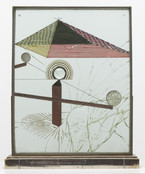
Lead
A soft, malleable, dense metallic element with many different applications and uses, especially in the marking substance in pencils or as a material for sculpture.
-
Lead white
A very opaque, crisp white pigment that is seldom used today because of lead’s toxicity
-
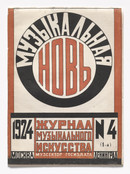
Letterpress
A relief printing technique for printing text and other images that are outlined and mechanically cut from metal or wood. The raised surface is inked and pressed onto paper by a printing press.
-
Lining brush
A long-bristled brush that tapers to a point. Because it can hold a considerable amount of paint, this brush can be used to make very long lines before needing to be reloaded with pigment. Traditionally used for painting lettering on signs
-
Lining canvas
An additional canvas adhered to the original canvas by a conservator to provide additional support
-
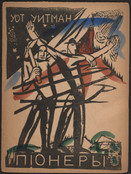
Linoleum cut
A relief printmaking technique, also called linocut, that is usually characterized by flat, clearly delineated areas of color. An image is cut or gouged from a sheet of linoleum, which is softer and easier to carve than wood. The surface is inked and paper laid on top, with printing accomplished either by rubbing manually with a spoon or similar tool, or on a printing press.
-
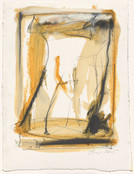
Linseed Oil
The most common binder for oil paints, made from flax seeds
-
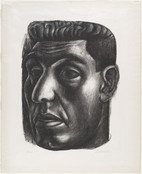
Lithography
A printmaking technique that involves drawing with greasy crayons or a liquid called tusche, on a polished slab of limestone; aluminum plates, which are less cumbersome to handle, may also be used. The term is derived from the Greek words for stone (litho) and drawing (graph). When the greasy image is ready to be printed, a chemical mixture is applied across the surface of the stone or plate in order to securely bond it. This surface is then dampened with water, which adheres only to the blank, non-greasy areas. Oily printer’s ink, applied with a roller, sticks to the greasy imagery and not to areas protected by the film of water. Damp paper is placed on top of this surface and run through a press to transfer the image. In addition to the traditional method described here, other types of lithography include offset lithography, photolithography, and transfer lithography.
-